Below are some of the well known functional mushrooms:
Chaga
Chaga is rich in antioxidants, particularly melanin and polyphenols, which contribute to its dark, charcoal-like appearance.
It has been traditionally used in Siberian and Northern European medicine to support immune health.
Chaga contains betulinic acid, which is derived from birch trees and studied for its potential anti-inflammatory and anticancer properties.
Cordyceps
Cordyceps is known for supporting energy and endurance by enhancing the body’s oxygen utilization.
It has been used in traditional Chinese medicine as a tonic for kidney and lung health.
Cordyceps contains cordycepin, a compound studied for its potential antiviral and anti-aging effects.
Lion's Mane
Lion’s Mane is known for supporting brain health and stimulating nerve growth factor (NGF), a protein involved in nerve regeneration.
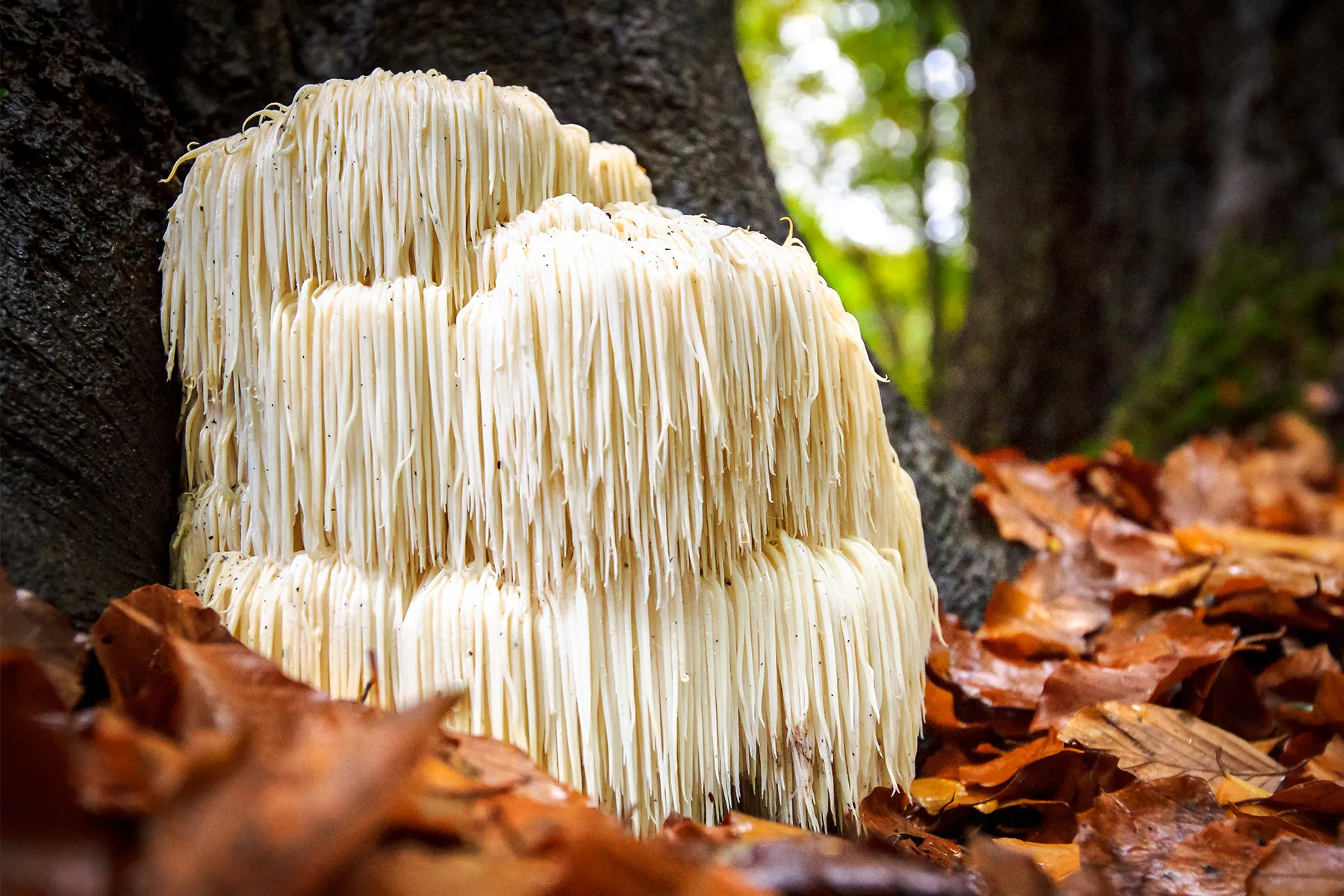
It has a distinctive appearance with long, white spines resembling a lion’s mane.
Studies suggest it may help with cognitive function, memory, and mild symptoms of anxiety and depression.
Maitake
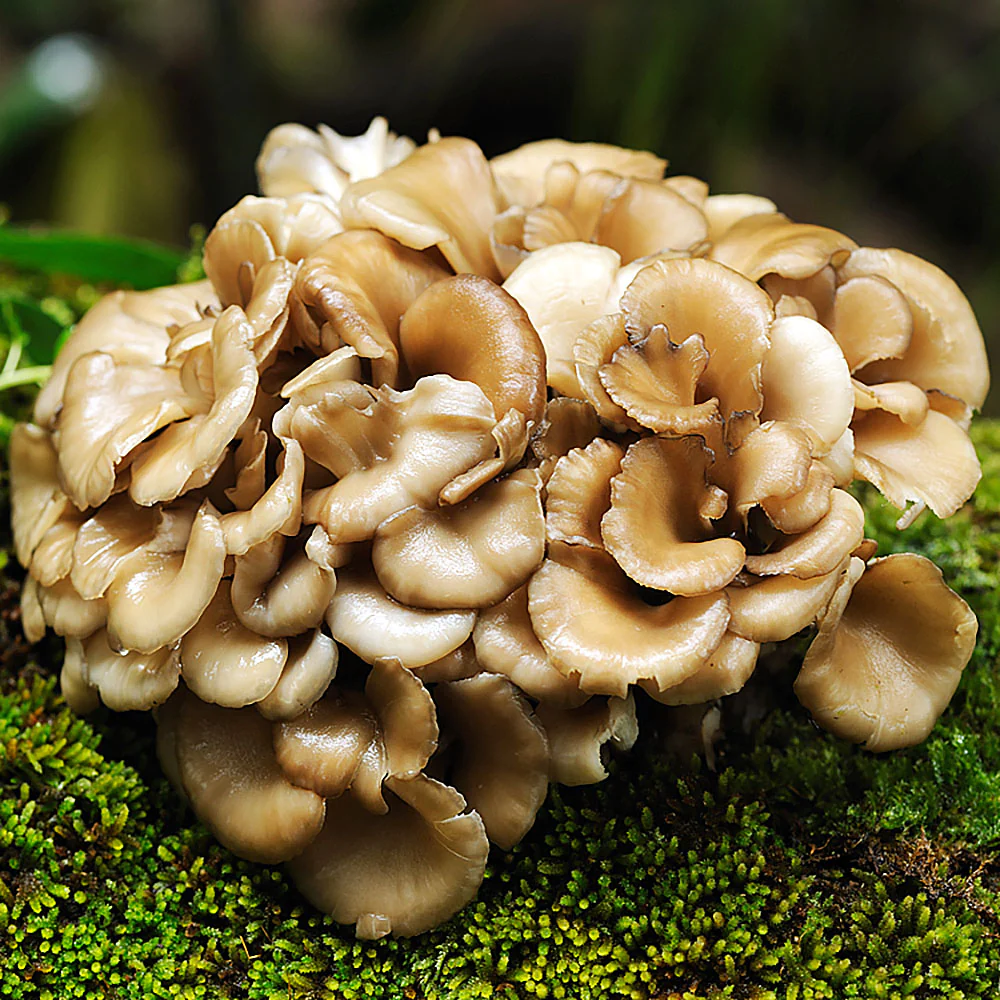
Maitake is nicknamed the “Hen of the Woods” due to its feathery, clustered appearance.
It contains beta-glucans that help support immune function and may modulate blood sugar levels.
Maitake has been researched for its potential to support healthy blood pressure and cholesterol levels.
Reishi
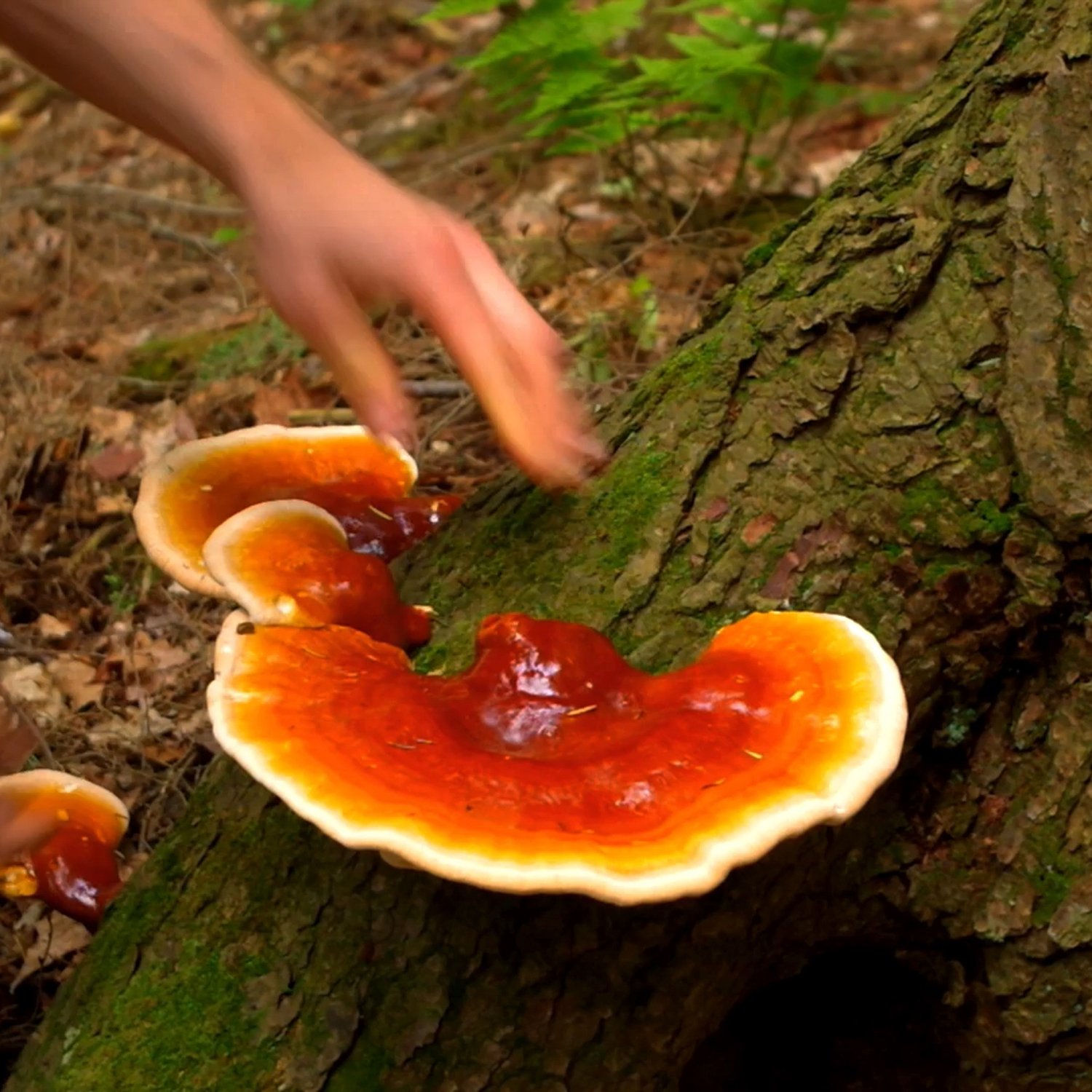
Reishi is called the “Mushroom of Immortality” in traditional Chinese medicine due to its long history of use.
It contains triterpenes, which may have mood-balancing and anti-inflammatory properties.
Reishi is often used to support stress reduction, sleep quality, and immune modulation.
Turkey's Tail
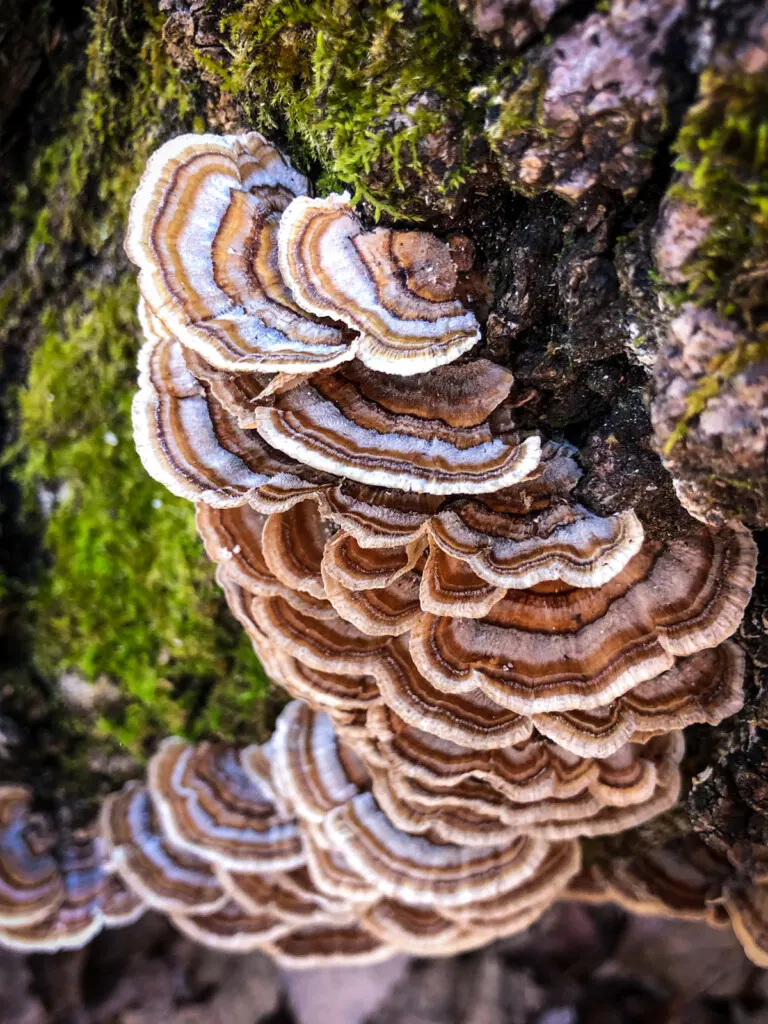
Turkey Tail gets its name from its colorful, fan-like shape that resembles a wild turkey’s tail.
It contains polysaccharopeptides (PSP and PSK) studied for their immune-boosting and cancer-supporting properties.
Turkey Tail is one of the most researched medicinal mushrooms and is used in complementary cancer therapies in some countries.